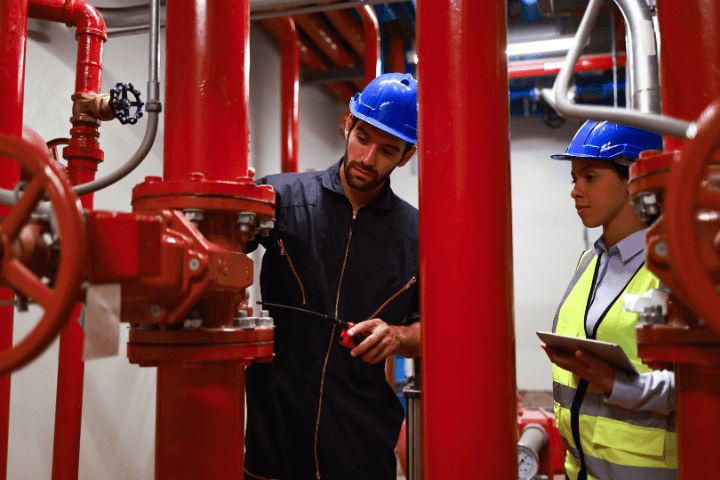
A property can look safe at first glance but hidden risks may exist during repairs. An alarm panel may stop working suddenly. A sprinkler network may require maintenance work. Under such conditions, extra supervision becomes important. Owners need awareness before hazards become emergencies. They need reliable monitoring during vulnerable periods. Many facilities choose to hire fire watch personnel when protection systems cannot provide full coverage.
What Situations Create the Need for Fire Watch Services?
Not every risk develops from an actual fire. Often, concern begins with temporary safety gaps. Once protective equipment becomes unavailable, exposure increases across occupied areas. Employees continue working through normal schedules. Visitors still enter the premises each day. Because activity continues, careful observation becomes essential.
A shopping center offers a practical example. If alarm repairs take several hours, staff cannot monitor every corner. Trained guards fill that responsibility through active patrols. Their presence helps identify warning signs before conditions worsen.
Common triggers include:
- Alarm malfunctions during occupied hours
- Sprinkler maintenance within active facilities
- Welding tasks near stored materials
- Renovation projects affecting safety access
- Large events with increased occupancy
Each circumstance presents different challenges. Therefore, monitoring requirements vary from one location to another.
Why Human Observation Still Matters
Technology provides valuable protection. However, equipment cannot evaluate every condition. A guard may notice unusual heat nearby. Smoke odors may attract immediate attention. Blocked exits can receive quick reporting.
As patrols continue, personnel document observations carefully. Those records create accountability throughout temporary risk periods. They also provide useful information for inspectors, managers, and emergency responders if questions arise later.
Without direct oversight, small concerns may remain unnoticed. A minor issue can develop quickly when nobody investigates early warning signs.
How Does Fire Watch Help Daily Operations Continue?
Closing a property creates financial pressure. Businesses often need activity to continue during repairs. Deliveries arrive according to schedules. Customers visit throughout operating hours. Workers complete assigned responsibilities.
During those periods, organizations often hire fire watch guards to maintain safety oversight. Rather than interrupting operations, patrol personnel move through designated areas while monitoring conditions. If danger appears, they can react immediately and notify emergency services.
Key benefits include:
- Faster hazard recognition
- Clear inspection records
- Immediate incident reporting
- Improved occupant confidence
Each advantage addresses a specific concern. Together, they reduce uncertainty during temporary disruptions.
Could Construction Projects Increase Fire Exposure?
Construction environments change from day to day. New equipment arrives frequently. Materials move between different work areas. Electrical installations may remain incomplete for short periods.
As work progresses, several concerns can emerge:
- Open wiring near active zones
- Heat-producing tools on site
- Temporary storage of combustible products
- Modified access routes indoors
Because conditions shift regularly, static protection measures may not address every issue. Active patrols provide flexibility when surroundings change rapidly. They help contractors maintain awareness while projects move forward.
A Closer Look at Effective Fire Protection
Fire safety involves more than equipment alone. Effective protection combines technology with human judgment. An alarm system may detect smoke. Yet a trained observer may identify trouble earlier.
Consider a warehouse undergoing sprinkler repairs. Stored goods remain valuable throughout maintenance work. Continuous monitoring helps protect inventory, occupants, and daily operations. The greater lesson extends beyond compliance requirements. Temporary safety gaps often receive little attention until problems appear. Careful observation during those moments can prevent far larger consequences later.
FAQs
Is fire watch required only during system failures?
No. Construction activity, welding operations, and crowded gatherings may also create circumstances requiring temporary monitoring.
Who performs fire watch duties?
Qualified personnel conduct patrols, record findings, identify hazards, and communicate with emergency responders when necessary.
Can smaller properties need fire watch coverage?
Yes. Risk levels depend on conditions present rather than facility size alone.
What happens during a patrol?
Personnel inspect designated areas, note observations, verify access routes, and report concerns promptly.
When does fire watch coverage end?
Coverage ends once hazards are resolved or affected protection systems return to proper operation.