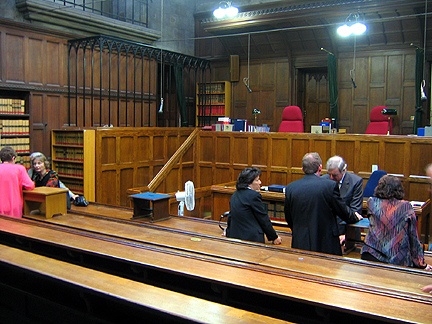
It can feel heavy to walk into court. Your stomach tightens. Your thoughts are racing. That is typical. In Kansas City, a domestic abuse hearing carries significant weight, and most people are unaware of what to anticipate until they are in front of a court. The truth is that some of that stress can be reduced by being aware of the procedure beforehand. Even while you might not be able to influence every result, you can arrive prepared. Domestic abuse cases in Kansas City are frequently linked to initiatives that promote safety, accountability, and treatment. Kansas City Specialty Courts can help with that. Rather than merely imposing punishment, these courts seek to address the root causes of bad behavior. That goal is supported by groups like Beyond the Bench KC. Located in Kansas City, Missouri, they strive to increase public knowledge of Specialty Courts and its function in assisting individuals in starting over.
So, What Is Domestic Violence Court?
Domestic Violence Court handles cases tied to abuse between family members, spouses, partners, or people living in the same home. Some cases involve physical harm. Others involve threats, stalking, harassment, or emotional abuse. The court focuses on safety first. Judges review protection orders, criminal charges, bond conditions, and treatment needs. They also monitor whether people follow court rules. That may sound strict — because it is. But there’s another side to it. Many Kansas City courts now look beyond the arrest itself. Judges often ask deeper questions:
- Is substance abuse involved?
- Does the person need counseling?
- Are mental health issues part of the problem?
- What can stop this from happening again?
That shift matters. It gives some defendants a chance to change direction instead of repeating the same cycle.
Before the Hearing — Don’t Wing It
Honestly, many people make mistakes before they even enter the courtroom. Missing paperwork. Showing up late. Talking too much online. Texting the other person after being told not to. Small actions can create big problems. Here’s what you should do before your hearing:
Read Every Court Paper Carefully
Look for:
- Hearing dates
- No-contact rules
- Bond conditions
- Required classes or evaluations
Don’t guess what the order means. If something feels unclear, ask your lawyer.
Dress Like You Respect the Process
No one expects a three-piece suit. Still, appearance matters. Wear clean clothes. Keep it simple. Think job interview, not weekend errands. Judges notice effort. So do prosecutors. Funny enough, people often overlook this part. Yet first impressions stick.
Arrive Early
Kansas City courts get busy fast. Parking fills up. Security lines move slowly. Try to arrive at least 30 minutes early. That extra time helps you breathe, gather yourself, and avoid rushing into the courtroom flustered.
What Happens During the Hearing?
Most hearings move quicker than people expect. The judge reviews the case, listens to attorneys, and decides the next step. Sometimes the hearing only lasts a few minutes. Other times, it stretches longer if evidence or testimony comes into play. You may hear terms like:
- Arraignment
- Bond review
- Protective order
- Plea agreement
- Compliance review
Let me explain one important thing: not every hearing decides guilt or innocence right away. Some hearings simply set rules while the case continues. That surprises people. Court TV has trained us to expect dramatic speeches and instant verdicts. Real courtrooms? Much quieter.
Specialty Courts — A Different Path Forward
Kansas City has worked hard to expand Specialty Court programs. These programs focus on treatment and supervision instead of punishment alone. That doesn’t mean people get a free pass. Far from it. Participants usually attend counseling, treatment sessions, regular check-ins, drug testing, and court reviews. The process takes effort. Serious effort. Still, Specialty Courts often help reduce repeat offenses. That’s the goal. Safer homes. Safer neighborhoods. Better outcomes. Beyond the Bench KC supports this work because lasting change rarely comes from punishment alone. People need structure, accountability, and support at the same time. Sort of like repairing a cracked foundation instead of painting over the damage.
A Few Things You Should Never Do
Some mistakes can hurt your case quickly.
Don’t Contact the Protected Person
If there’s a no-contact order, follow it fully. Even a friendly text can violate the order. Yes, even if they message you first.
Don’t Post About the Case Online
Social media creates problems in court every single day. Posts, photos, comments, memes — they can all appear as evidence. Delete nothing after charges are filed, but stop posting about the case immediately.
Don’t Skip Required Programs
Missed counseling sessions or court classes send a bad message to the judge. Consistency matters. You know what? Judges often care less about perfection and more about effort. Showing that you take the process seriously can matter a lot.
What About Victims and Families?
Domestic violence cases affect entire families, not just two people. Children may feel scared or confused. Relatives often feel pulled between loyalty and concern. Financial stress piles up fast too. Kansas City courts often connect victims with:
- Safety planning
- Shelter services
- Counseling
- Legal support
- Advocacy groups
That support network matters. Court hearings are only one piece of the puzzle.
The Emotional Side Nobody Talks About
Courtrooms feel cold sometimes. Fluorescent lights. Long hallways. Hard benches. People whisper. Even strong people feel nervous there. Some defendants feel shame. Others feel angry or misunderstood. Victims may feel fear or exhaustion. It’s messy because human relationships are messy. That emotional weight can affect decisions. So pause before reacting emotionally in court. Speak clearly. Stay respectful. Let your attorney do most of the talking. Simple advice, sure. But it helps.
Final Thoughts Before Your Hearing
Preparation changes everything. Know your hearing date. Follow court orders. Stay calm. Listen closely. Ask questions when needed. And remember, Kansas City’s Specialty Courts exist for a reason. They aim to reduce harm while helping people build safer futures. Beyond the Bench KC continues supporting that mission because real change takes more than punishment alone. One good decision probably won’t fix everything overnight. Still, it can start moving things in a better direction.
FAQs
1.What happens at a first domestic violence hearing in Kansas City?
The judge reviews charges, bond terms, and protection orders. You may also receive future court dates and conditions you must follow.
2.Can I contact the other person before court?
Not if a no-contact order exists. Even friendly messages can violate court rules and create more legal trouble.
3.Do I need a lawyer for Domestic Violence Court?
A lawyer helps protect your rights and explains court procedures. Domestic violence charges can carry serious long-term effects.
4.Kansas City Specialty Courts: What are they?
Treatment, accountability, and lowering recidivism rates are the main goals of these courts. Programs could involve rehabilitation assistance, supervision, and counseling.
5.What should I pack for my court appearance?
If necessary, bring identification, court documents, and documentation attesting to your completion of therapy or classes. Be organized and arrive early.