Slot machines don’t just collect coins; they collect insights into our culture. The design of a slot machine tells a bigger story, from retro fruit symbols to steampunk gears. Every theme reflects what people are into at a particular time. If you want to know what interests players, observe the slots they select. The changes are not coincidental; they show a response.
The Roots of Slot Machine Aesthetics
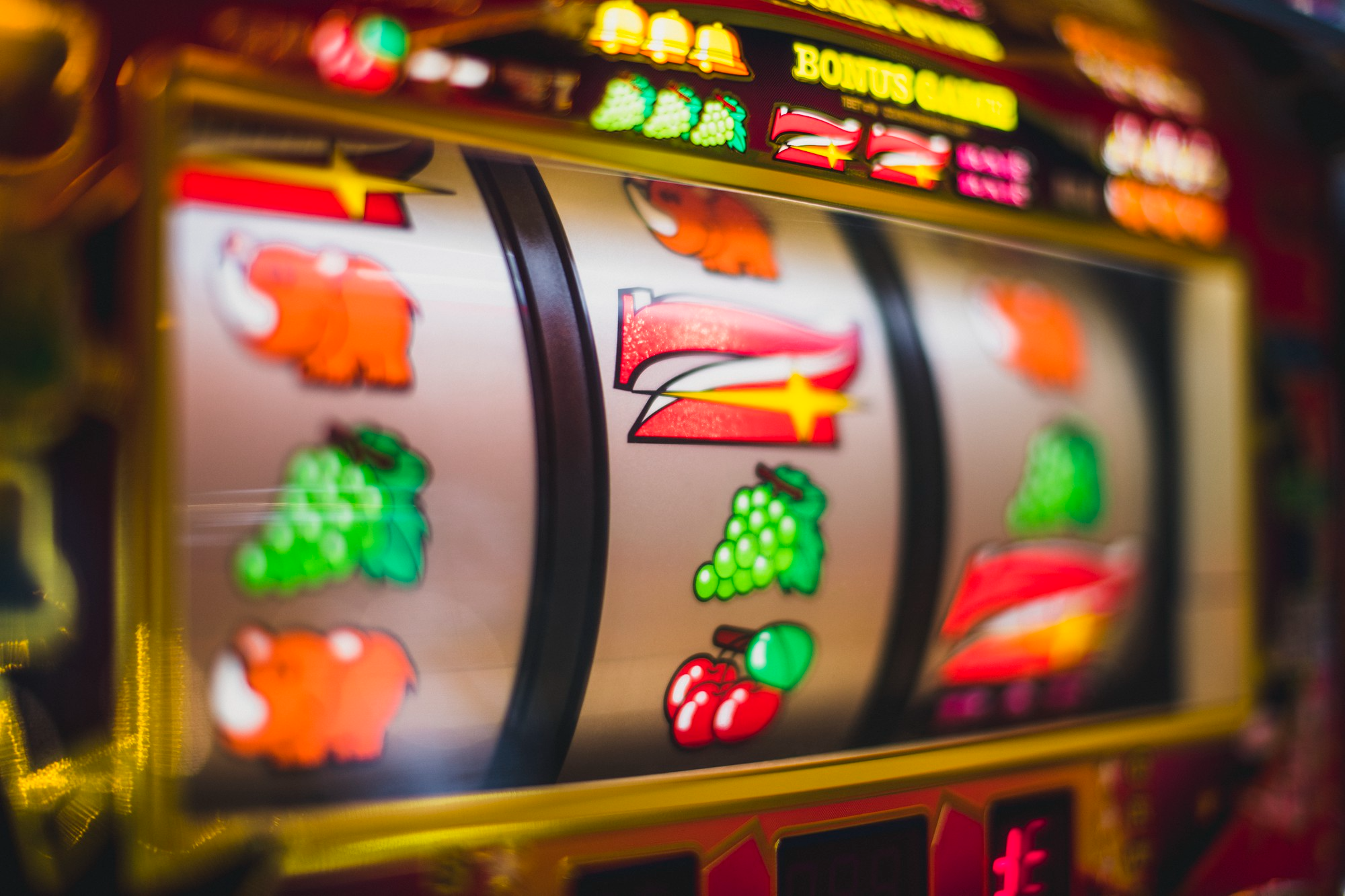
The early slots were bare. Their simplicity featured the most recognizable and trustworthy symbols. Platforms like MelBet live casino still use this approach for classic games. The bells, bars, and cherries worked because they were not overly complex. They provided a sense of comfort and nostalgia well before gaming became deep and immersive.
To capture attention, manufacturers emphasized bold colors and movement, such as spinning reels, clunky sounds, and chrome details. The games were mechanical and focused on design with moving parts. Everything was kinetic and visible. On the old-school slot machines, players didn’t have to understand elaborate rules. They just needed to pull the lever and wish for a match.
The Influence of Cinema and Pop Culture
As the focus turned to the slots, themes adapted to what was trending. Today, pop culture has become the go-to inspiration for slot design. Some of the most common influences include:
- Movies and TV franchises: Star Wars, Game of Thrones, and Marvel titles dominate.
- Themed Slots Featuring a Jukebox: Elvis, Michael, and Today’s DJs!
- Comics and Superheroes: The Graphic Novel universe expands with an array of villains and heroes designed to popularize and build interest in already well-known characters.
These slot features help build strong fan bases and create instant emotional attachment to the game.
Genre-Based Themes and Their Rise
Going back to pop culture, not every slot machine is inspired by it. Steampunk, fantasy, and mythology are examples of genres that not only serve as décor but also as the main draw. The expectation is far beyond symbols, with the expectation of an atmosphere to envelop the player, instead of just the game. It is a sign of how far storytelling and gaming have merged.
The Appeal of Steampunk and Retro-Futurism
The appeal of thoroughly optimized and distinct slots is undeniable. Steampunk gear and goggles have their charms, and slots adorned in these designs are appealing to a broad audience. Those who can appreciate well-thought-out designs and the mini stories that are woven into gameplay are installed into these slots.
Steampunk slots are distinct from branded slots, as each machine creates its universe. While they are undoubtedly fantastic, they are not in the traditional sword-and-dragon fantasy. They are more like steampunk art, as they are intentional and made for people who desire complete immersion. Their appeal is not for the masses, but for less mainstream users, as these machines are more cult-like.
Classic Vegas and Retro Revival Slots
As the name suggests, retro slots are not niche at all, as they thrive on familiarity. Platforms like MelBet India feature plenty of these timeless designs. Their design is also timeless and simple like Vegas, and the neon signs, dice, as well as the jazzy sounds are all hallmarks of old-school Vegas. For players who do not want a story or clutter, these slots offer straight-up basic gameplay.
Most retro games are basic and timeless, but in this case, they are also based on nostalgia. Even younger players identify that this is the style of “real” slot machines. These retro games have a clean interface with fewer distractions. They are designed for users who want to appreciate speed and repetition, paired with the essence of a traditional casino. Retro games are made for comfort rather than innovation.

Global Trends Reflected in Design Choices
These days, computerized gaming machines are no longer an isolated phenomenon: they now incorporate sound, visual, and game elements used by cultures from all over the world. Eastern motifs, Egyptian emblems, and Latin American imagery are commonplace on online platforms. Developers try to meet regional preferences, but they also push universal culture. A UK slot may feature Aztec motifs, anime-style Aztec characters, or even characters from Nordic legends.
It goes way beyond aesthetics. Depending on the region, soundtracks are based on Bollywood, K-pop, or EDM. Localization goes further than merely translating words. It also involves humor, icons, and visual hierarchy. Customers have to feel a strong local bond, yet the appeal must be as broad as possible. This creates a vibrant visual market, and the underlying game mechanics remain the same.
How Technology Shapes Slot Themes
The latest slots are based on 3D animations, mobile user interfaces, and 3D graphics for all onboard features. As a result, players have much higher expectations in terms of interactivity and visuals. A casual game experience now includes smooth touch interactions, rapid frame rates, and desktop-grade graphics. This is particularly relevant for animated slots and casual games, which rely on touch interactions. Developers seamlessly integrate modern graphics, motion graphics, and transition effects to enhance the experience.
Slots that use augmented reality and virtual reality are still in the development stage, but they are expanding quickly. Technology not only enhances the graphics, but it also strengthens user retention and the duration of the session. Users can interact with the machine in different ways through music, animation, and virtual scenery. These details stem from mobile gaming instead of traditional gambling.
What Slot Themes Reveal About Player Preferences
Players want visuals that are relatable and wishful, as well as speedy visual appreciation. Slot machines offer both components. Players are now influenced by cultural trends as well. The rest includes rhythm, tone, and visuals. Preferences are now changing at a fast pace, and everything, including slots, needs to keep up.