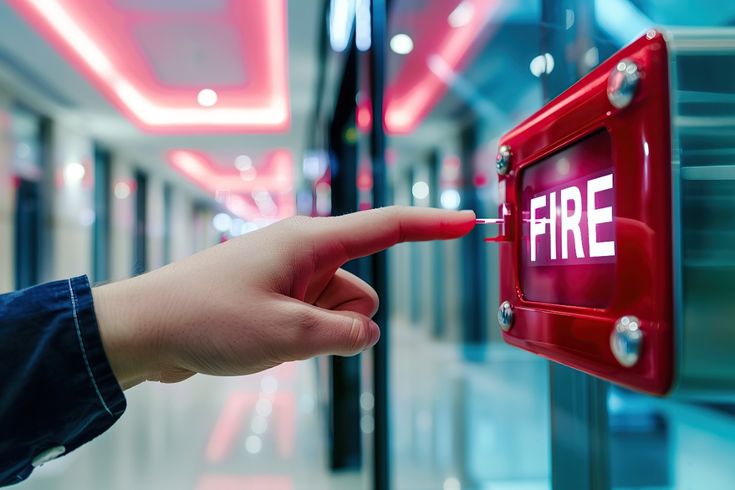
Alarm failures create immediate safety gaps inside commercial properties. Every minute without detection increases potential exposure. Occupants expect warning systems to function properly. Building managers face legal obligations during outages. Insurance concerns may arise during extended disruptions. For these reasons, fire watch las vegas services remain essential. Property owners need trained personnel until repairs restore protection.
Why Do Commercial Buildings Need Fire Watch Coverage?
Fire alarms provide early notification during dangerous situations. Once equipment stops working, visibility becomes limited. A small electrical spark may remain unnoticed. Smoke can spread through storage areas quickly. Office towers present additional monitoring challenges. Large floor plans complicate emergency awareness. Trained patrol personnel help bridge this temporary gap. Their presence reduces uncertainty during equipment downtime.
Consider a distribution center after panel failure. Workers continue handling shipments throughout operating hours. Without active observation, hazards remain harder to identify. Regular patrol routes create another layer of vigilance.
What Risks Appear When Alarm Systems Fail?
Several concerns emerge immediately after system disruption. Occupants lose dependable notification during emergencies. Property damage exposure becomes significantly higher. Evacuation timing may become less effective.
Key concerns include:
- Delayed awareness during developing incidents
- Obstructed exits escaping attention
- Electrical hazards remaining unnoticed
- Inventory exposure from unchecked ignition sources
A malfunction affects more than compliance requirements. Daily operations depend upon reliable emergency readiness. Safety planning must continue despite equipment limitations.
How Do Fire Watch Personnel Perform Their Duties?
Effective monitoring involves more than walking hallways. Every patrol follows documented inspection procedures. Observations require attention to specific warning indicators. Personnel check corridors, exits, equipment rooms, and storage locations.
Common responsibilities include:
- Inspect designated zones thoroughly
- Record observations within patrol logs
- Verify clear evacuation pathways
- Report hazards without delay
- Contact emergency responders when necessary
Detailed records serve an important purpose. Inspectors may request proof of ongoing monitoring. Accurate documentation demonstrates active risk management throughout repair periods.
Keeping Operations Moving During System Outages
Closing a facility carries financial consequences. Production schedules may suffer immediate disruption. Customer commitments remain active despite equipment issues. Fire watch coverage helps maintain safer occupancy.
A warehouse awaiting replacement alarm components offers one example. Deliveries continue arriving throughout business hours. Patrol staff monitor loading zones and storage sections. Potential concerns receive attention before escalation occurs.
Property managers often depend upon fire watch las vegas professionals during these circumstances. Fast deployment helps organizations address urgent requirements. Business continuity becomes more achievable during restoration work.
Which Situations Often Trigger Emergency Fire Watch Requests?
Alarm malfunctions represent only one scenario. Temporary monitoring serves several commercial environments. Construction activity can affect protective equipment. Renovation projects may disable detection systems briefly.
Other situations include:
- Sprinkler network interruptions
- Power-related protection failures
- Occupancy permit conditions
- Code correction periods
- Special venue gatherings
Each circumstance presents distinct exposure levels. Site conditions determine patrol frequency and coverage needs. Flexible staffing helps address changing property requirements.
Selecting the Right Fire Watch Provider
Experience matters when emergency coverage becomes necessary. Quick arrival times hold significant value. Training standards deserve careful review. Communication practices reveal service quality.
Before hiring, evaluate:
- Emergency response readiness
- Local code familiarity
- Detailed reporting methods
Ask about staffing availability across weekends. Equipment failures rarely occur during convenient hours. Reliable providers maintain readiness throughout unexpected situations.
FAQs
How long should fire watch coverage continue?
Coverage remains necessary until protection systems return. Local authorities may require ongoing monitoring. Repair completion alone may not suffice. Functional verification often determines coverage duration.
Can businesses remain open during alarm failure?
Occupancy may continue under specific circumstances. Requirements depend upon local regulations. Fire watch personnel help maintain required safeguards. Site conditions influence final decisions.
Are patrol logs important?
Yes, documentation carries substantial value. Inspection records demonstrate active oversight. Authorities may request verification during reviews. Accurate logs strengthen accountability throughout outages.
Bridging the Safety Gap During Alarm Failures
A damaged alarm panel can be replaced. Lost response time cannot return. Patrol records, exit inspections, and hazard observations create protection during vulnerable periods. Those details may appear routine at first glance. Yet one overlooked storage room, blocked corridor, or electrical smell can alter outcomes dramatically. Fire watch coverage exists for those moments when awareness matters more than technology.