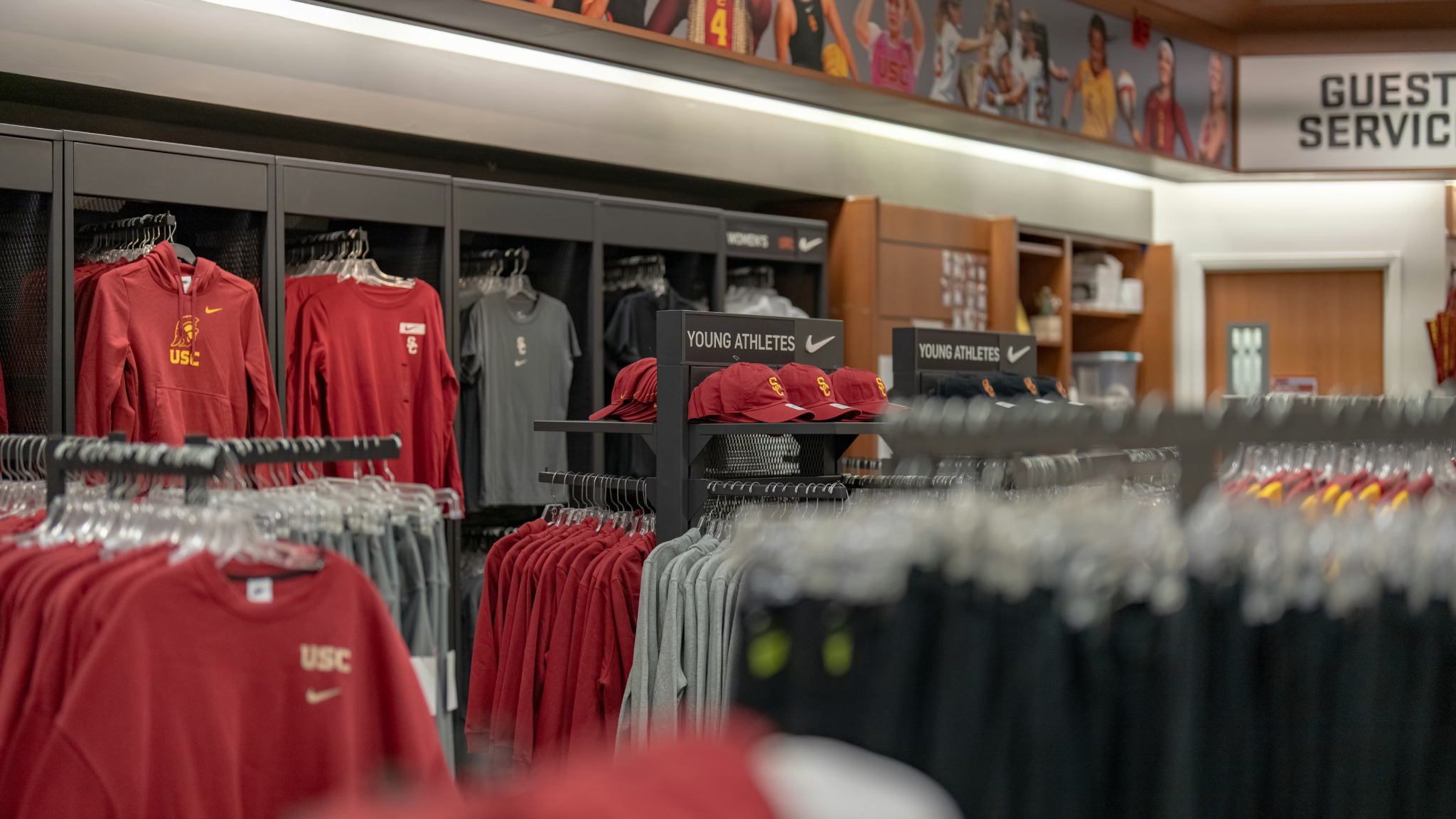
Athletic garments moved from fields and training rooms into daily wardrobes as part of a wider cultural shift. Sneakers, tracksuits, and technical outerwear now signal taste, values, and group belonging. Functional kit transformed into symbols that communicate affiliation, personal history, and lifestyle choices. That transformation rewired the relationship between clothing and identity.
A key driver of the crossover was collaborations that fused heritage with contemporary sensibility. Partnerships between legacy labels and performance-focused startups reframed sports pieces as style statements. The collaboration involving sankra provided a clear example: performance fabrics met refined proportions and reached audiences beyond traditional athletic consumers. That blend made sportswear desirable on city streets as well as in gyms.
How utility became cultural currency
Several factors turned gear into fashion. First, media exposure normalized athletic aesthetics across film, music, and social platforms. Second, archival design resurfaced as source material for modern reinterpretation. Third, practical needs such as comfort and durability rose in status, so garments engineered for movement fit modern life. Together these forces made technical details legible as style cues.
Core signals that shifted perception
- Retro references that link present wardrobes to collective memories through vintage badges and classic colorways.
- Celebrity and creator adoption that amplified visibility and translated performance language into lifestyle codes.
- Material innovation that offered breathable, weather-resistant, and low-maintenance fabrics suited to everyday use.
These signals preserved sporting authenticity while widening appeal to diverse urban audiences.
Retail and production tactics that accelerated adoption
Brands and retailers adjusted quickly to the new demand. Limited drops and capsule releases created urgency and collectible value, while experiential retail spaces blended product with storytelling. Flagship locations staged archival installations and hosted co-created pop-ups, making launches feel like cultural events rather than simple commerce. Supply chains adapted to support rapid small-batch runs, enabling experimentation without sacrificing quality.
Designers balanced functional requirements with silhouette and finish. Garments needed to perform in motion and read well on the street. That pragmatic duality justified premium pricing for thoughtful pieces and encouraged loyalty among early supporters.
How identity and values became sewn into garments
Sports-inflected fashion provided a canvas for social meaning. Collections tied to community projects, commemorations, or sustainability initiatives turned purchases into expressions of alignment. Wearing a particular jacket or collaborative sneaker became a way to signal membership in a community or support for a cause. Story-led product launches and visible commitments amplified emotional attachment and deepened brand relevance.
Everyday practices that strengthen connection
- Local activations that ground global brands in neighborhood narratives and reinforce cultural relevance.
- Personalization options such as initials or bespoke touches that convert mass items into personal artifacts.
- Narrative marketing that pairs product drops with short films or interviews, giving context and depth to each release.
Through such practices, wardrobes became curated archives of experience and allegiance.
The secondary market and maker economy
Resale platforms and independent makers played a catalytic role. Secondary markets validated rarity and provenance, redistributing pieces into new cultural narratives. Independent ateliers reinterpreted classic gestures, adding craftsmanship and localized meaning. Repair and alteration services extended garment life, reinforcing authenticity and sustainability. Collectors and community curators helped certain drops attain mythic status, creating a feedback loop of demand and cultural value.
What comes next: sustainability and smart design
The next chapter emphasizes circularity and transparency. Recycled performance textiles, rental services, and modular garments will shift from novelty to standard practice. Smart textiles and adaptive fits will continue to evolve, but communities will demand ethical sourcing and traceability. Provenance and repairability will matter as much as silhouette or logo placement.
In summary, sports fashion entered mainstream identity by combining utility, cultural resonance, and narrative meaning. Pieces once designed solely for competition now function as both practical tools and symbolic tokens. Wardrobes act as living records of influences, loyalties, and personal stories. As consumers keep valuing performance together with meaning, sports-infused style will remain a central and evolving language of contemporary identity.